Significant experience · June 2011 – July 2015
Anticipating the Critical Risks of a Deep Section of the Emisor Oriente Wastewater Tunnel: From 100–120 m Diaphragm Walls to a TBM at −150 m
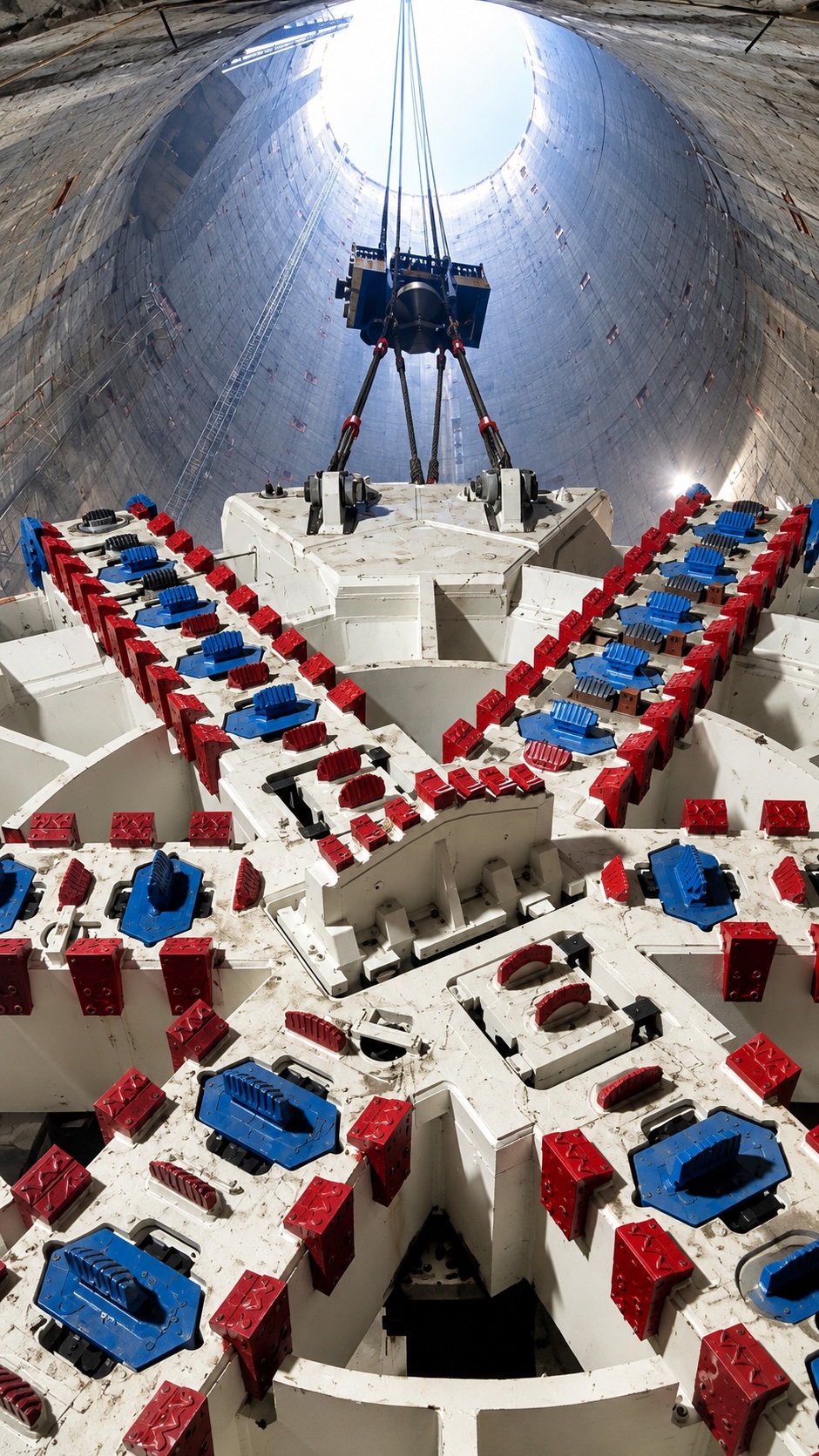
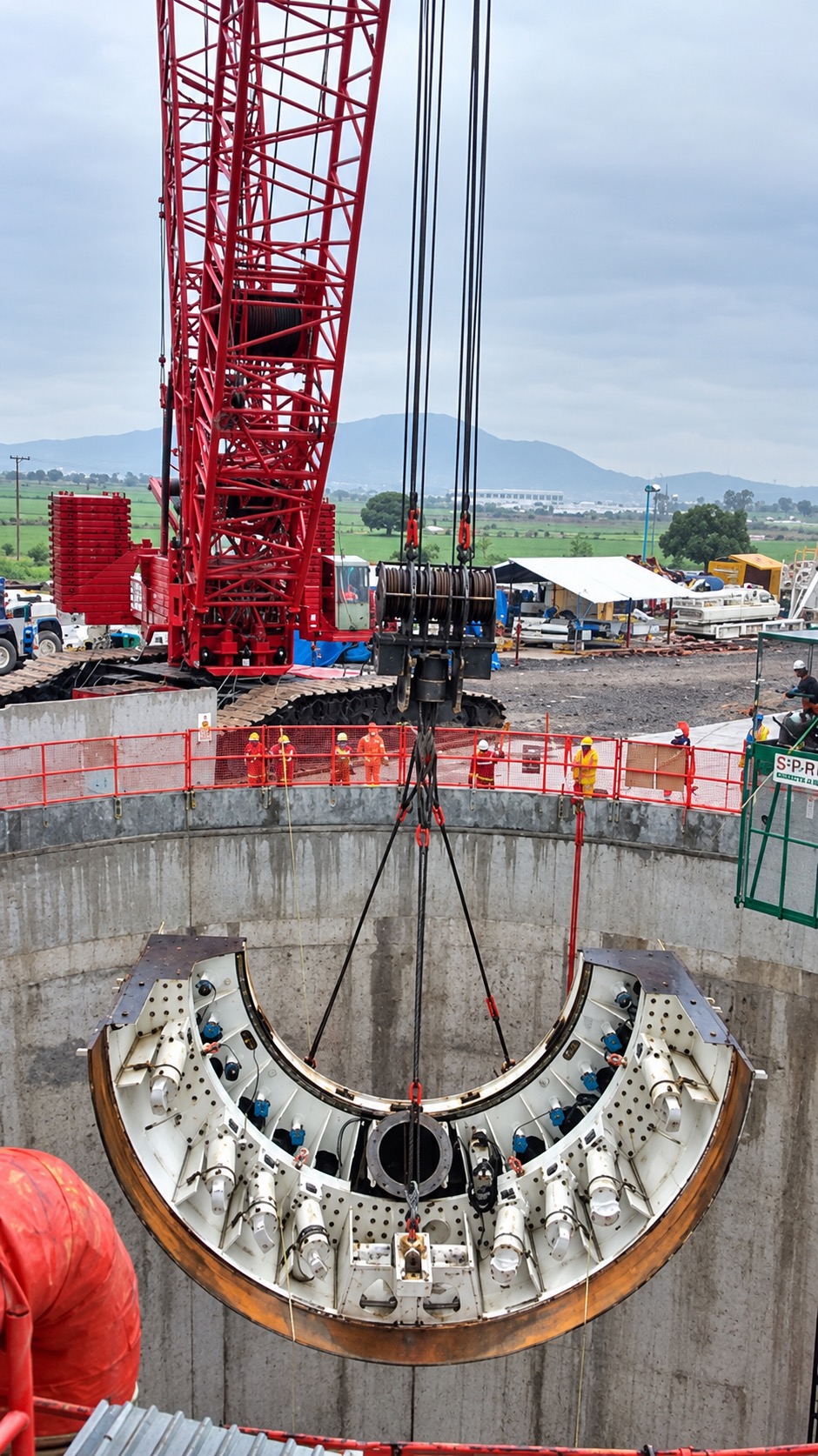
As QHSE supervisor I verified safety in deep foundations, shafts and TBM excavation, and together with the client identified, more than a year ahead, the need for a high-capacity crane.
- +1 yearof lead time in identifying the need for a high-capacity crane to lower the TBM
- 10 km · 150 mlength and maximum depth of the section, with diaphragm walls 100 to 120 m deep
Context
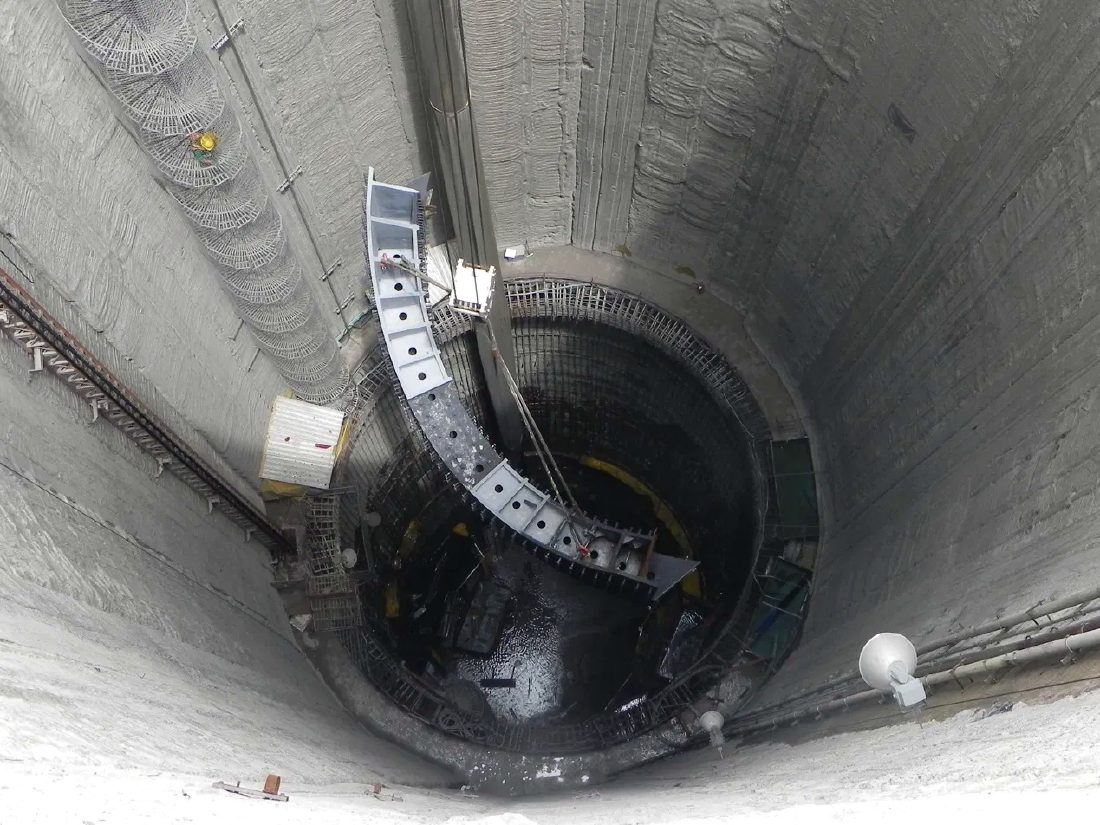
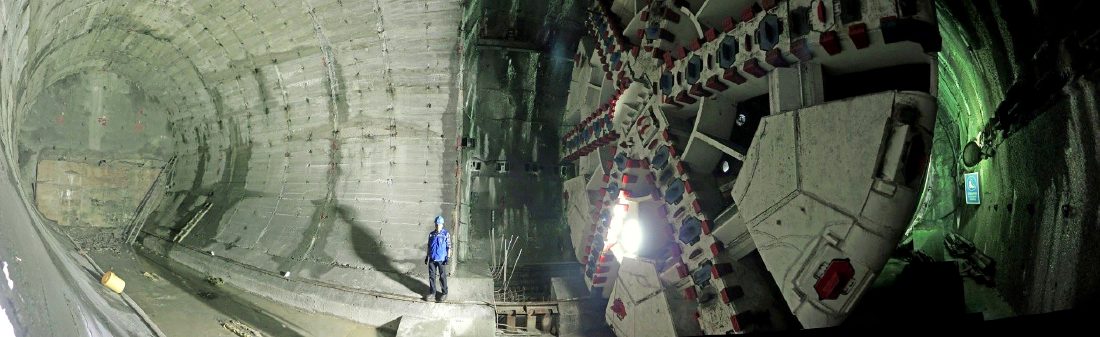
Between June 2011 and July 2015 I was QHSE Supervisor on Lot 5 of the Emisor Oriente Wastewater Tunnel (Túnel Emisor Oriente, TEO), a CONAGUA project, working for LYTSA, the supervision firm. The section is 10 km long and reaches a depth of 150 m at shaft 20. It combined deep foundations with diaphragm walls 100 to 120 m deep, vertical shaft excavation, and tunnel excavation with a Robbins tunnel boring machine, with segments installed at −150 m.
The challenge
A section like this concentrates critical risks that leave no room for improvisation: deep foundation work, very deep shafts, the lowering of a tunnel boring machine, and large-scale logistics. The challenge was to identify those risks ahead of time, not to react once they were upon us.
My role
As QHSE supervisor, my job was to verify that the contractor implemented industrial safety measures and complied with the STPS regulatory framework and the contractual scope. One of my most relevant duties was to analyze potential risks against the construction schedule and present them to the CONAGUA project leader.
What I did
- I verified the implementation of industrial safety measures during deep foundations, vertical shaft excavation, superstructure construction and logistics.
- I supervised the assembly of the Robbins tunnel boring machine, the conveyor system (a continuous belt in the tunnel and a vertical bucket conveyor in the shaft, with its tensioning cassette, a stack of nine shipping containers with a steel structure, discharging into a hopper), and tunnel excavation with the TBM, including segment installation at −150 m.
- I analyzed and identified risks in advance, through quarterly strategy meetings and an annual one with the CONAGUA project leader, where critical risks and milestones to follow were defined.
- I made sure the contractor complied with the STPS regulatory framework and the contractual scope.
- I set up a 24-hour ambulance with paramedics, contracted directly with the Red Cross.
- I detected that the ventilation of the deep shafts was forming a “thermal plug” and requested auxiliary jet fans, which were installed in the shafts to add mid-height extraction to the induced ventilation.
- I kept up the regular rhythm of supervision: weekly reports, KPIs and work permits.
Result
More than a year ahead, we identified the need for an additional budget item for a high-capacity crane for the TBM lowering maneuvers. That allowed resources, logistics, engineering, and the safety procedure and protocol to be in place with enough time. We also improved shaft ventilation airflow: with auxiliary jet fans installed in the shafts, the extraction flow allowed an air injection and extraction cycle that improved air quality and avoided stoppages caused by air contamination in the work area.
What I still apply
Anticipating is cheaper than reacting. Bringing critical risks to the client’s table a year ahead turns a potential problem into a planned decision, and that is the logic I use today in risk management.
Specific cases within this experience
A high-capacity crane, identified more than a year ahead
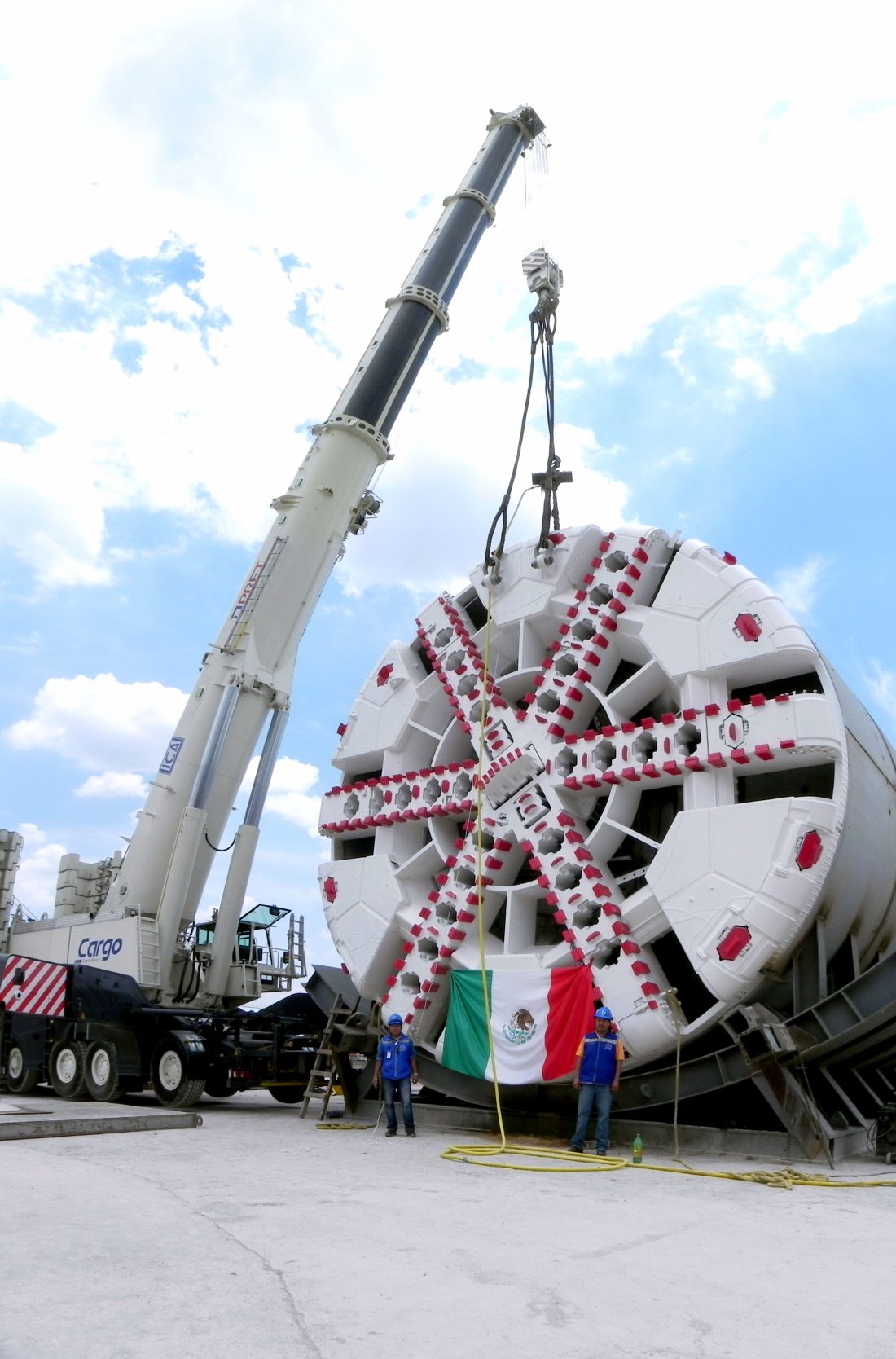
- Situation: lowering the tunnel boring machine required maneuvers with a high-capacity crane, which was not in the budget.
- Decision or action: in the risk analysis with the CONAGUA project leader, based on the construction schedule, we identified the need for an additional budget item for that crane.
- Result: resources, logistics, engineering, and the safety procedure and protocol were in place with enough time.
- To discuss: how to bring the critical risks of a construction schedule to the client’s table a year ahead.
A 24-hour ambulance with paramedics
- Situation: a deep underground project requires immediate medical response capacity on site.
- Decision or action: I set up a 24-hour ambulance with paramedics, contracted directly with the Red Cross.
- Result: permanent medical coverage on site, provided by a specialized institution.
- To discuss: how to define the emergency response level of a deep site and whom to contract.
Strategic risk meetings with the client
- Situation: the risks of a deep section change with the construction schedule.
- Decision or action: I led quarterly strategy meetings and an annual one with the CONAGUA project leader to identify critical risks and follow-up milestones.
- Result: the high-capacity crane, identified more than a year ahead.
- To discuss: how to turn a construction schedule into a list of critical risks and milestones the client can follow.
Ventilation of deep shafts: the “thermal plug”
- Situation: because of the long drop of the shafts, the gases and fumes expelled by the ventilation system cleared well, but with winter temperature changes they cooled halfway down and stopped rising naturally.
- Decision or action: I requested the installation of auxiliary jet fans, so as to have not only induced ventilation (air intake to dilute contaminants) but also mid-shaft extraction that would clear the gases and keep them from returning.
- Result: the fans were installed in the shafts, and the extraction flow allowed an injection and extraction cycle that improved air quality and avoided stoppages caused by air contamination in the work area.
- To discuss: how to design ventilation for a deep vertical shaft taking temperature effects into account.
Let’s talk about
If your project involves deep foundation work, shafts or a tunnel boring machine, and you want to identify critical risks ahead of time, I would be glad to share how we approached it on the Emisor Oriente Wastewater Tunnel.