Significant experience · April 2009 – April 2011
Building a QHSE System from Scratch on One Section of the Emisor Oriente Wastewater Tunnel and Securing an 8.1-Million-m³ Spoil-Disposal Site
As QHSE coordinator, I built the management system the consortium did not have and obtained the environmental authorization for an 8.1-million-m³ spoil-disposal site.
- 8.1 million m³of capacity at a spoil-disposal site with environmental authorization and resolution
- 12.6 km · 134 mlength and maximum depth of the section, with a Herrenknecht TBM
Context
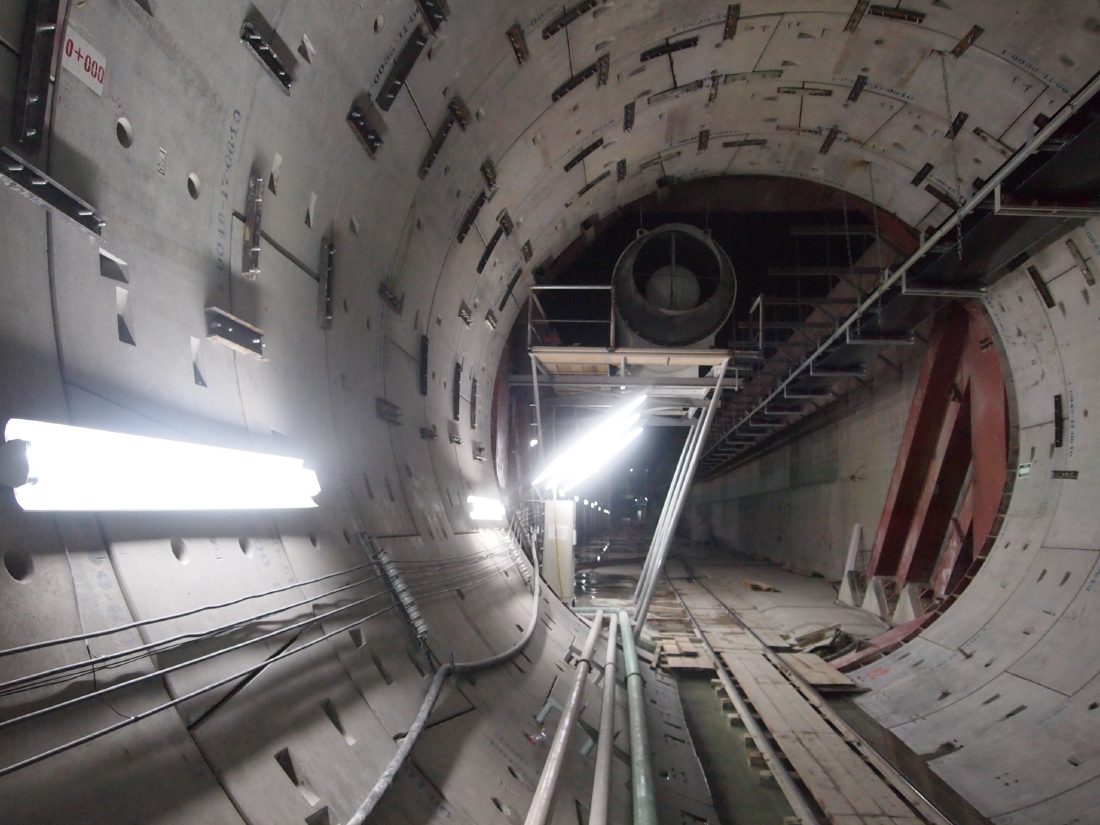
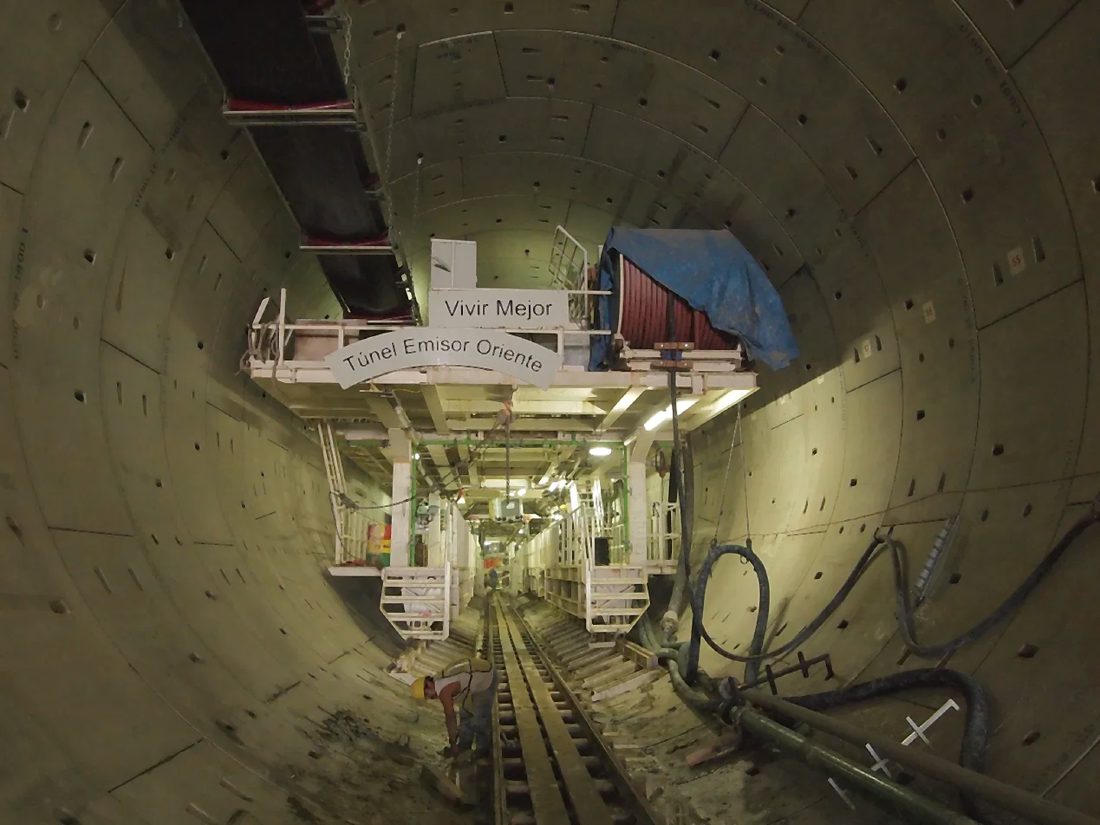
Between April 2009 and April 2011 I was QHSE Coordinator on Lot 6 of the Emisor Oriente Wastewater Tunnel (Túnel Emisor Oriente, TEO), a CONAGUA project. I worked for the Lombardo/Estrella consortium, part of COMISSA, the construction consortium. The section is 12.6 km long, reaches a depth of 134 m, and was excavated with a Herrenknecht tunnel boring machine.
The challenge
None of the consortium’s companies had a QHSE management system. It had to be built, put into operation and brought to a level comparable to the standards of the country’s leading construction companies, on a project with a deep tunnel, large-scale machinery and demanding environmental and safety regulations.
My role
I headed the consortium’s QHSE area. My responsibility was broad: from designing the system to operating it, and from training to dealing with the authorities.
What I did
- I wrote and integrated the consortium’s QHSE management system, to a level of rigor comparable to that of the country’s leading construction companies.
- I prepared the HSE budgets, determined purchases, delivered training and defined the KPIs.
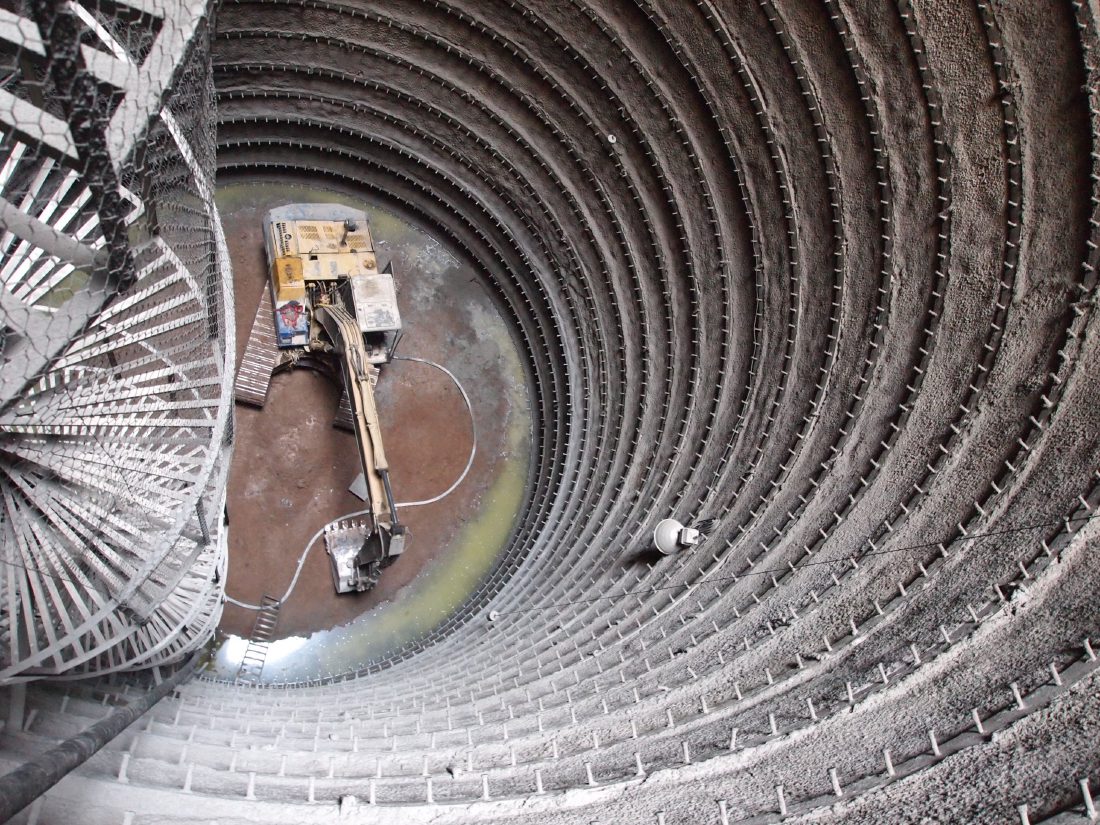
- I implemented the project’s environmental impact statement and, with trips to Pachuca, obtained from the environmental authorities the authorization and environmental resolution for an 8.1-million-m³ spoil-disposal site in El Salto, Tepeji del Río de Ocampo. I was responsible for its implementation and follow-up.
- I handled civil protection matters and STPS audits.
- I was the inter-institutional liaison on regulatory and land tenure matters.
- I planned the lifting maneuvers for the assembly and start-up of the tunnel boring machine.
- I coordinated the installation of critical infrastructure inside the tunnel: ventilation, dewatering pumps and rail track.
Result
A QHSE system where none existed, an 8.1-million-m³ spoil-disposal site with environmental authorization and resolution, managed and followed up by me, and a TBM assembly and start-up with no injury accidents and no incidents.
What I still apply
A management system is not improvised: it is designed, budgeted, trained and defended before the authorities. I learned to build one from scratch and sustain it with evidence, which is the logic I use today to design HSE management.
Specific cases within this experience
An 8.1-million-m³ spoil-disposal site, from environmental impact to authorization
- Situation: tunnel excavation generated a volume of material that required an authorized disposal site, and it had to be cleared environmentally.
- Decision or action: I handled the environmental impact statement before the environmental authorities in Pachuca and obtained the authorization and environmental resolution for the spoil-disposal site in El Salto, Tepeji del Río de Ocampo.
- Result: authorization and environmental resolution for 8.1 million m³; I was responsible for its implementation and follow-up.
- To discuss: how to back an environmental impact statement with evidence and sustain it during operation.
A QHSE system where there was none
- Situation: none of the consortium’s companies had a QHSE management system.
- Decision or action: I wrote and integrated the system, with budgets, purchasing, training and KPIs, to the level of the country’s leading construction companies.
- Result: a system operating during the assembly and start-up of the tunnel boring machine, with no injury accidents in that period.
- To discuss: where to start when a company must build its QHSE system to enter a megaproject.
Lifting and start-up of a tunnel boring machine
- Situation: assembling and starting up the TBM required highly complex lifting maneuvers, in addition to critical installations inside the tunnel.
- Decision or action: I planned the lifting maneuvers and coordinated the installation of ventilation, dewatering pumps and rail track inside the tunnel.
- Result: an assembly and start-up protocol for the tunnel boring machine with no incidents and no injury accidents.
- To discuss: how to plan critical maneuvers of an underground project well in advance.
Let’s talk about
If your project needs to build a QHSE system from scratch, or to secure a spoil-disposal site with environmental backing, I would be glad to share how we approached it on the Emisor Oriente Wastewater Tunnel.